Introduction to Payment Gateways
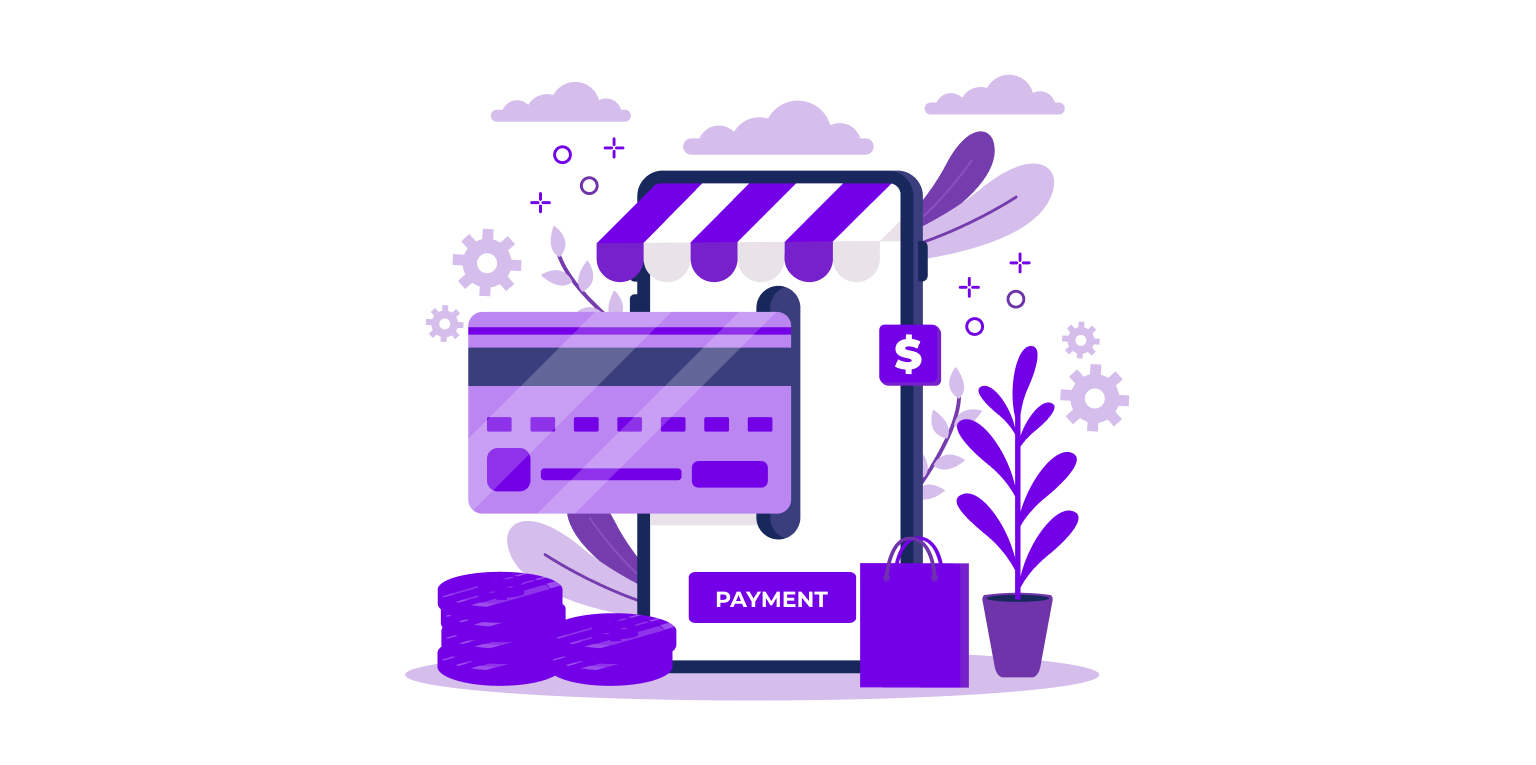
The modern marketplace runs on digital payments, and payment gateways serve as the backbone of these transactions. For small business owners, these tools act as the digital equivalent of a physical point-of-sale terminal, processing card payments and ensuring money moves securely from customers' accounts to business bank accounts.
A payment gateway handles several crucial steps in the payment process. When customers enter their card details, the gateway encrypts this sensitive information and sends it to the appropriate banks. It checks whether funds are available, verifies the transaction isn't fraudulent, and ultimately transfers the money. The whole process typically takes just a few seconds, though the actual fund settlement might take a couple of business days.
Small businesses benefit tremendously from modern payment gateways. These systems now offer features like recurring billing for subscription services, invoicing tools, and detailed transaction reporting. Many also include fraud protection measures that shield businesses from chargebacks and unauthorized transactions.
The best part? Most payment gateways now work across multiple channels. The same system can process payments on your website, through a mobile app, and even via email invoices. This flexibility helps small businesses serve customers wherever they prefer to shop.
Some standout features modern payment gateways offer include:
- Real-time transaction monitoring and reporting
- Multiple currency support for international sales
- Integration with popular e-commerce platforms
- Automated recurring billing options
- Built-in fraud detection systems
Best Credit Card Processing for Small Businesses
Finding the right credit card processing solution can make or break a small business's daily operations. The best processors combine competitive rates, reliable service, and excellent customer support without long-term contracts or hidden fees.
Square stands out as a top choice for many small businesses, especially those just starting out. They offer transparent pricing, free basic hardware, and an intuitive interface that works well for both retail and service-based businesses. Their instant setup process means new businesses can start accepting payments almost immediately.
Stripe shines for online businesses, offering sophisticated developer tools alongside user-friendly interfaces. Their pricing structure suits businesses of all sizes, and they excel at handling international transactions. Plus, their fraud prevention tools help protect businesses from chargebacks.
PayPal remains a trusted name in the industry, with their credit card processing services extending well beyond their basic digital wallet. Their system integrates seamlessly with most e-commerce platforms, and customers often trust PayPal-backed businesses more readily.
Key factors to consider when choosing a credit card processor include:
- Processing fees and pricing structure
- Hardware costs and compatibility
- Settlement time for funds
- Available customer support channels
- Integration capabilities with existing systems
Understanding Payment Processing Companies
Payment processing companies serve as the crucial link between businesses, customers, and financial institutions. These companies handle the complex backend operations that make electronic payments possible, working behind the scenes to move money securely and efficiently.
The top payment processing companies maintain vast networks connecting merchants, banks, and card networks. They invest heavily in security infrastructure to protect sensitive financial data and comply with industry regulations. This investment benefits small businesses, who gain access to enterprise-level security without the massive overhead costs.
Different processors specialize in various types of transactions. Some excel at in-person retail sales, while others focus on e-commerce or specific industries like restaurants or healthcare. Smart business owners choose processors that understand their industry's unique needs and challenges.
Most modern payment processing companies offer additional services beyond basic transaction processing. They provide tools for inventory management, customer analytics, and even marketing capabilities. These extra features can help small businesses grow and better understand their customers.
Essential services offered by payment processing companies include:
- Transaction authorization and settlement
- Fraud detection and prevention
- Chargeback management
- Customer data analytics
- Multi-channel payment acceptance
Merchant Services for Small Businesses: What to Expect
Merchant services encompass everything a business needs to accept and process payments. For small businesses, these services go well beyond simple payment processing, offering tools and features that help streamline operations and boost growth.
A solid merchant services provider delivers reliable payment processing alongside valuable business tools. Look for providers offering point-of-sale systems, inventory management, customer relationship features, and detailed reporting capabilities. These additional services help small businesses compete more effectively with larger competitors.
Setting up merchant services has become much simpler in recent years. Many providers offer quick online applications and can approve new accounts within days or even hours. They'll also help with equipment setup and staff training, ensuring a smooth transition to the new system.
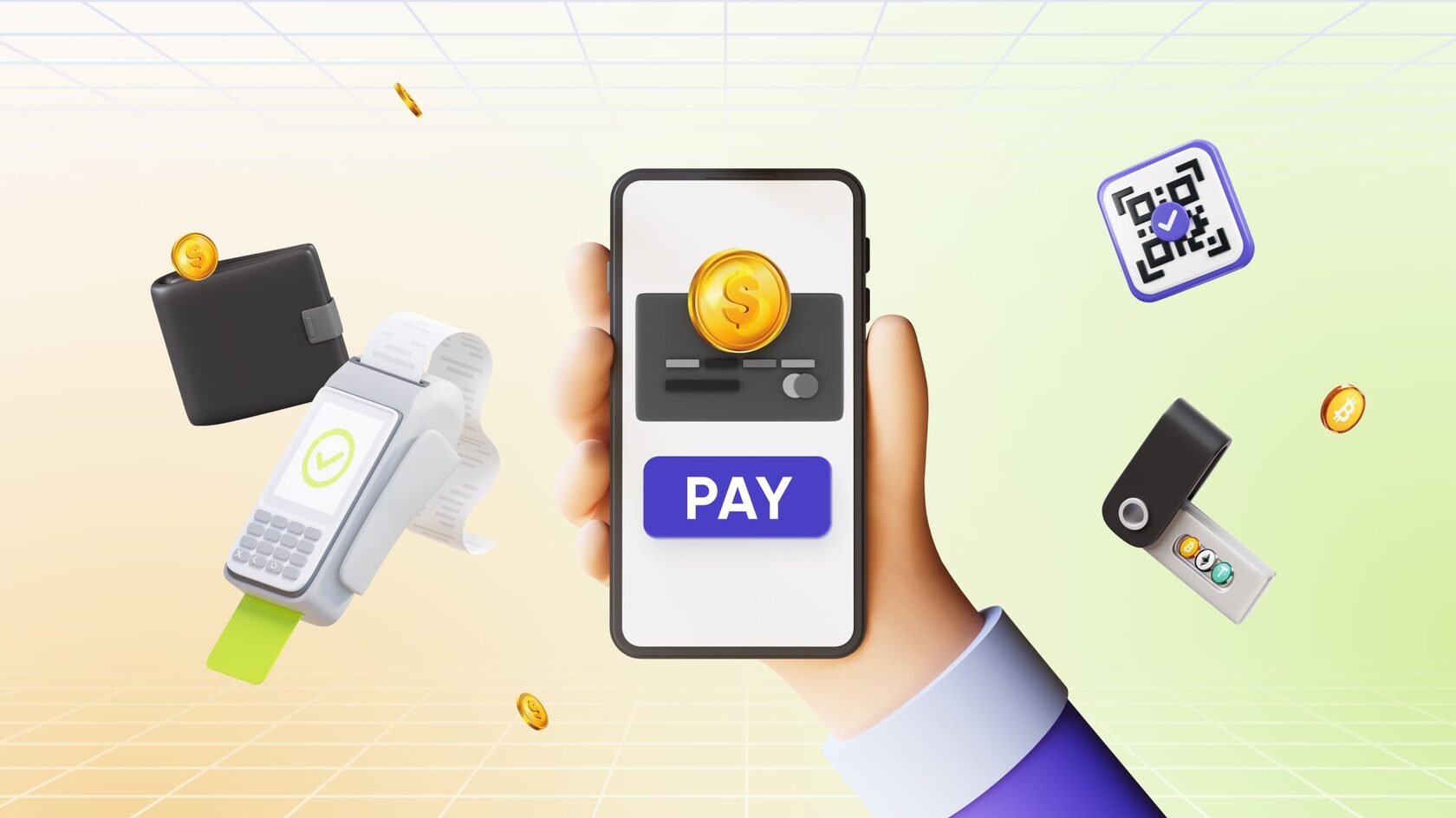
The costs of merchant services vary widely between providers. Some charge monthly fees but offer lower per-transaction rates, while others skip monthly fees but charge more per transaction. The best choice depends on your business's sales volume and average transaction size.
Key merchant services features to consider include:
- POS system capabilities
- Online payment processing options
- Mobile payment acceptance
- Gift card and loyalty program management
- Employee management tools
Each provider offers different combinations of these features, and prices vary accordingly. Small businesses should evaluate their specific needs and choose a provider that aligns with both their current requirements and future growth plans.
Cheapest Credit Card Processing for Small Businesses
Small business owners always keep an eye on their bottom line, and credit card processing fees can quickly eat into profits. Finding affordable processing solutions without sacrificing quality or reliability takes some research, but several providers offer competitive rates that won't break the bank.
Payment Depot leads the pack in cost-effective processing, using a membership model that provides wholesale interchange rates plus a small markup. This approach works especially well for businesses with higher sales volumes, as the savings increase with each transaction. Their transparent pricing eliminates surprises on monthly statements.
Fattmerchant offers another budget-friendly option, with a subscription-based pricing model that can save businesses significant money over traditional processors. They charge a flat monthly fee plus interchange rates, which typically results in lower overall costs compared to percentage-based pricing models.
For businesses just starting out, Square's pay-as-you-go pricing proves incredibly cost-effective. With no monthly fees and straightforward flat-rate pricing, new businesses can accept payments without worrying about meeting minimum processing requirements or getting locked into long-term contracts.
Money-saving features to look for include:
- No monthly minimums
- Free basic equipment
- Volume discounts
- No early termination fees
- Interchange-plus pricing options
Choosing the Best Card Reader for Small Business
Selecting the right card reader can significantly impact daily operations and customer satisfaction. Modern card readers need to handle multiple payment types, work reliably, and integrate smoothly with existing business systems.
The Square Reader remains a popular choice among small businesses due to its reliability and ease of use. The basic magstripe reader comes free with account signup, while their contactless and chip reader offers enhanced security features at a reasonable price point. Both options sync seamlessly with Square's point-of-sale software.
Clover's card readers provide robust features and excellent durability, making them ideal for high-volume environments. Their Go device offers mobility for businesses that need to accept payments anywhere, while the Flex model provides a compact countertop solution with a customer-facing display.
PayPal's card readers work well for businesses already using their other services. The latest models accept contactless payments, chip cards, and traditional swipes, plus they integrate naturally with PayPal's broader ecosystem of business tools.
Important card reader features to consider:
- Payment type compatibility
- Battery life for mobile units
- Connection options (Bluetooth, WiFi, cellular)
- Integration capabilities
- Durability and warranty coverage
Understanding Credit Card Processing Fees
Credit card processing fees often seem like a maze of percentages, flat rates, and mysterious charges. Breaking down these costs helps business owners make informed decisions and potentially save significant money over time.
Interchange fees form the foundation of processing costs, set by card networks like Visa and Mastercard. These non-negotiable fees vary based on card type, with rewards cards typically carrying higher rates than basic cards. Business and corporate cards usually cost the most to process.
Assessment fees go directly to card networks and add another layer of cost. While these fees are relatively small, they apply to every transaction. Knowing about them helps business owners understand their true processing costs and compare provider offers more accurately.
Processor markup represents the final fee component and offers the most room for negotiation. This includes monthly fees, per-transaction fees, and any additional services charges. Smart business owners compare multiple providers' markup structures to find the best deal for their specific situation.
Common fee types include:
- Monthly statement fees
- Gateway fees
- PCI compliance fees
- Chargeback fees
- Equipment lease charges
Mobile Credit Card Processing for Small Businesses
Mobile credit card processing has revolutionized how small businesses accept payments. Food trucks, home service providers, and pop-up shops particularly benefit from the flexibility to process payments anywhere with cell service.
PayPal Here leads the mobile processing pack with its robust app and reliable reader. The system works across multiple devices, offers real-time transaction tracking, and provides instant access to funds through the PayPal Business Debit Card. Their app includes features like invoicing and inventory management.
Square's mobile processing solution stands out for its simplicity and comprehensive feature set. The free point-of-sale app includes tools for inventory tracking, employee management, and sales analytics. Their card readers work reliably even in areas with spotty internet connections, storing offline transactions until connectivity returns.
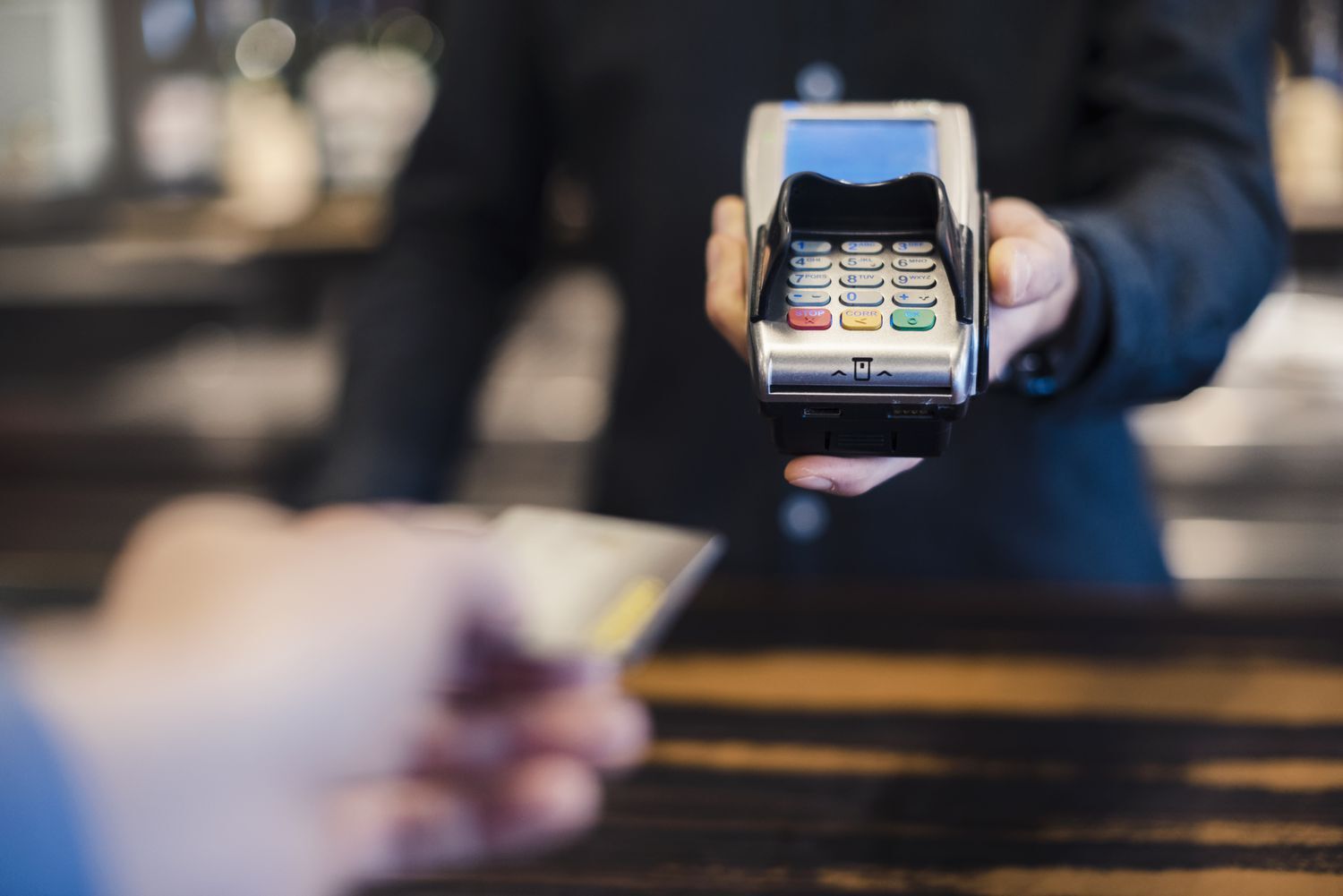
Stripe's mobile solutions cater especially well to businesses that need sophisticated payment options. Their SDK allows businesses to build custom mobile payment experiences, while their ready-to-use solutions work great for standard mobile processing needs.
Essential mobile processing features include:
- Offline payment capabilities
- Real-time transaction monitoring
- Digital receipt options
- Inventory management tools
- Multi-user support
Setting Up Online Credit Card Processing for Small Businesses
Getting started with online credit card processing might seem daunting, but modern providers have streamlined the setup process considerably. A well-planned implementation ensures smooth operations and happy customers.
First, businesses need to choose between hosted checkout pages and integrated payment forms. Hosted solutions like PayPal checkout provide the quickest setup and strongest security but may feel less seamless to customers. Integrated forms offer a more customized experience but require additional security measures.
Shopping cart integration plays a crucial role in online processing success. Most major e-commerce platforms like Shopify and WooCommerce offer pre-built integrations with popular payment processors. This simplifies setup and ensures compatibility with other business tools.
Security remains paramount in online processing. Look for providers offering built-in fraud protection, automated PCI compliance, and strong customer authentication features. These tools help prevent chargebacks and protect both the business and its customers.
Key setup considerations include:
- Payment gateway compatibility
- Mobile optimization
- Multiple currency support
- Recurring billing capabilities
- Fraud prevention tools
The Best Merchant Processing Companies
Small business owners face many choices when selecting merchant processing companies. The best providers combine reliable service, competitive rates, and excellent support with modern features that help businesses grow.
First Data, now part of Fiserv, leads the industry with its comprehensive service offerings. Their Clover system provides everything from basic payment processing to advanced business management tools. Small businesses particularly appreciate their 24/7 support and ability to handle complex payment scenarios.
Chase Merchant Services brings the stability of a major bank to payment processing. Their competitive rates and next-day deposits appeal to small businesses watching their cash flow. Integration with Chase business banking services offers additional conveniences for existing Chase customers.
Global Payments stands out for businesses needing international capabilities. Their systems handle multiple currencies smoothly and offer local payment methods in various countries. Small businesses expanding internationally find their cross-border features particularly valuable.
Top merchant processors typically offer:
- Next-day funding options
- 24/7 technical support
- Multiple hardware choices
- Enhanced security features
- Detailed reporting tools
How to Accept Payments Online as a Small Business
Setting up online payment acceptance has become crucial for small businesses in today's digital marketplace. A well-implemented online payment system can open new markets and boost sales significantly.
Payment buttons offer the simplest way to start accepting online payments. Services like PayPal and Square provide ready-to-use buttons that businesses can add to their websites quickly. These solutions work well for businesses with simple needs or those just starting their online presence.
Shopping cart integration provides a more comprehensive solution for businesses selling multiple products. Platforms like Shopify and WooCommerce include built-in payment processing capabilities and can handle complex scenarios like variable shipping rates and tax calculations.
Custom payment forms give businesses the most control over their customers' payment experience. While requiring more setup time, custom forms can match a site's design perfectly and offer sophisticated features like saved payment methods and subscription billing.
Essential online payment features include:
- Mobile-friendly checkout
- Multiple payment options
- Automated receipts
- Subscription handling
- Inventory synchronization
Top Credit Card Processing Companies for Small Businesses
Credit card processing companies focused on small businesses offer specialized services that larger processors might overlook. These providers understand the unique challenges small businesses face and tailor their solutions accordingly.
Square dominates the small business processing market with good reason. Their transparent pricing, free basic equipment, and user-friendly systems make starting up painless. Small businesses particularly value their instant setup process and lack of monthly fees.
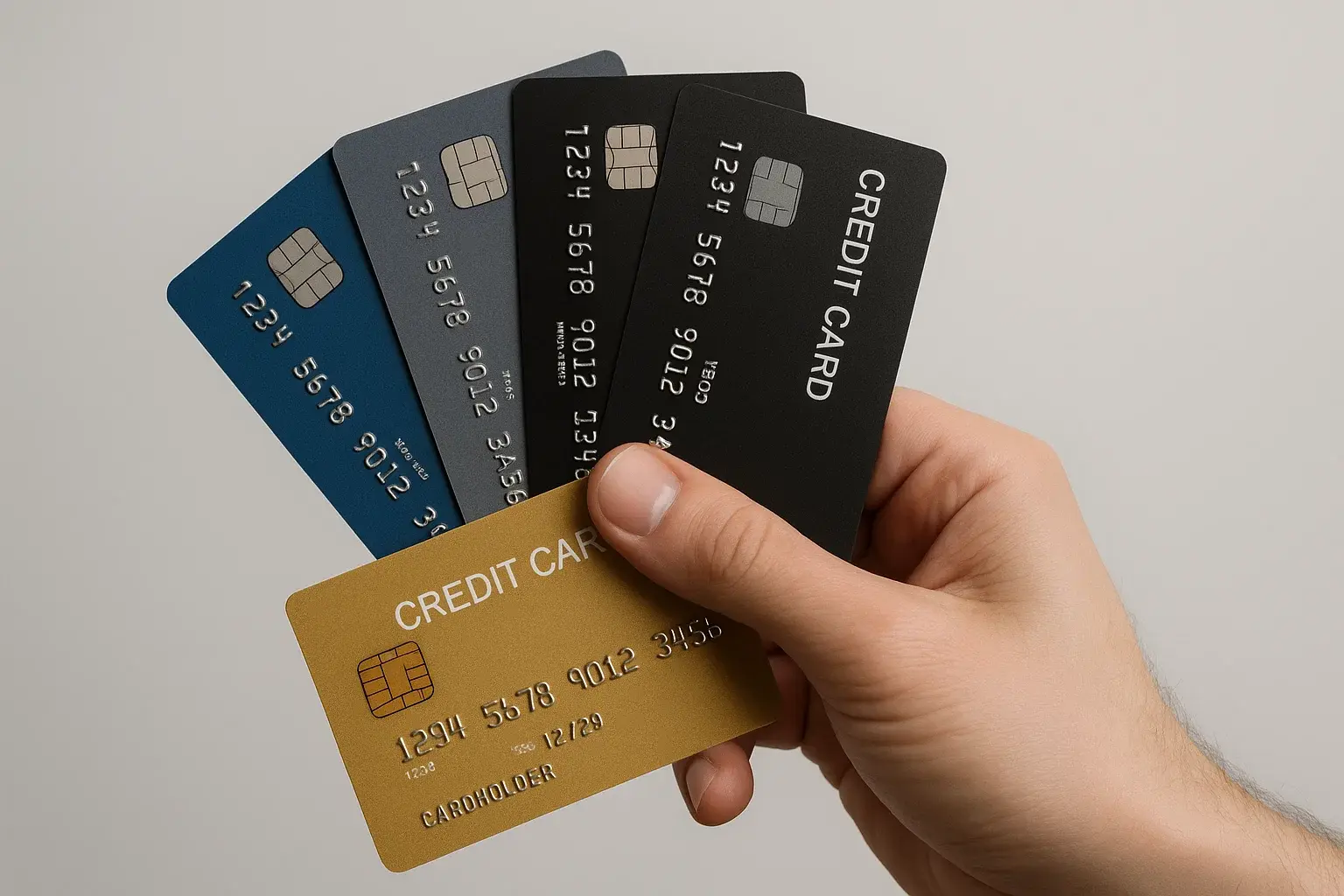
Stripe excels in the online space, offering sophisticated tools in a small-business-friendly package. Their detailed documentation and excellent support help small businesses implement advanced features like recurring billing and marketplace payments.
PayPal's credit card processing services continue evolving to serve small businesses better. Their latest offerings combine traditional processing with modern features like QR code payments and buy-now-pay-later options. The trusted PayPal brand often helps small businesses build customer confidence.
Key features small businesses should look for:
- Transparent pricing
- Quick setup process
- Free basic equipment
- Strong customer support
- Easy integration options
Best Payment Processors for Small Businesses
Choosing the right payment processor can dramatically impact a small business's bottom line and operational efficiency. The best processors combine competitive rates with features that help businesses grow.
Helcim stands out for its interchange-plus pricing and lack of monthly fees. Small businesses appreciate their volume-based discounts and free virtual terminal access. Their all-in-one commerce platform includes valuable tools for inventory management and customer tracking.
Dharma Merchant Services targets small to medium-sized businesses with competitive interchange-plus pricing and excellent customer service. Their transparent approach and ethical business practices have earned them a loyal following among small business owners.
Fattmerchant's subscription-based model works well for businesses with higher processing volumes. While their monthly fee might seem high initially, businesses often save money overall through their direct-cost pricing structure.
Important processor selection criteria include:
- Pricing structure
- Contract terms
- Equipment costs
- Integration capabilities
- Support quality
Card Machines for Small Businesses: What You Need to Know
Modern card machines offer features beyond simple payment processing, helping small businesses operate more efficiently. Choosing the right machine depends on specific business needs and operating environment.
Traditional countertop terminals work well for fixed locations with stable internet connections. Models like the Verifone V240m provide reliability and security while handling all current payment types. These machines typically cost less than more advanced options but offer fewer features.
Smart terminals like the Clover Flex combine payment processing with business management tools. Their touchscreen interfaces and app-based systems help businesses track inventory, manage employees, and analyze sales data. While more expensive initially, their additional features often justify the investment.
Mobile card readers provide flexibility for businesses that need to accept payments anywhere. Options range from basic magstripe readers to sophisticated devices handling contactless payments and printing receipts. Battery life and connectivity options become crucial considerations for mobile use.
Essential card machine features include:
- Payment type compatibility
- Connectivity options
- Screen size and quality
- Battery life (for mobile units)
- Printer capabilities
Conclusion
Selecting the right payment processing solution requires careful consideration of business needs, budget constraints, and growth plans. Small businesses benefit from the wide range of options available today, from simple mobile card readers to sophisticated payment gateways and merchant services.
The key to success lies in matching payment processing capabilities with business requirements. Consider factors like transaction volumes, typical sale amounts, and whether sales happen primarily in-person or online. Remember that the cheapest option isn't always the most cost-effective in the long run.
Take time to research providers, compare features and pricing, and read user reviews. Many processors offer free trials or demo periods - take advantage of these to ensure a solution meets your needs before making a long-term commitment.